
Athens Previous Resident Sources
A backward address search works best when each source is assigned a clear job. The Clarke qPublic parcel record supplies the present owner, situs address, parcel ID, legal description, and sales references. A situs address is the physical location, unlike the separate mailing address used for tax bills. Deeds then establish title transfers. Directories and census schedules add occupancy evidence, while maps and permits describe the building rather than its household.
| Athens source | Verified span | Access point | Evidence gained |
|---|---|---|---|
| Historic deeds | 1801-1984 online; later exact cutoff unstated | Kofile; GSCCCA; Clerk counter | Parties, dates, legal description, title chain |
| Athens directories | Digitized 1889-1958; other shelf volumes | DLG, Heritage Room, UGA | Named adults, address, spouse or work details by edition |
| Federal census | Open schedules through 1950 | NARA and library databases | Household on one census date |
| Sanborn maps | 1885-1926; revised set through 1967 | UGA MAGIL and DLG | Footprint, use, materials, old address context |
| Athens City records | 1860-1970 | UGA Hargrett | Maps, plats, plans, and engineering context |
| Permits and probate | Cutoffs vary by file series | ACC request; Probate Court | Work dates, applicants, deceased owner, heirs |
Start from the parcel even when the question concerns the nineteenth century. Its legal description can survive a street rename or number change. For a mid-century household, move quickly to directories and the public census. For older or uncertain buildings, use deeds and Sanborn sheets first. Athens-Clarke County has no verified citywide street-renumbering date, so a modern number should never be forced onto an old record without map or plat support.
Walk Athens Deeds Backward
The Clarke County deed chain is the title backbone for previous-resident work. A chain of title is the sequence of recorded transfers for the same land. The street address alone is weak in old indexes. Instead, carry forward the parcel ID, subdivision or lot reference, and deed book and page shown in qPublic's Sales area. Those numbers lead to the Clerk of Superior and State Courts, the county's land-record custodian.
- Search the situs address in qPublic. Save the present owner, parcel ID, legal description, and newest deed book and page.
- Open that instrument through GSCCCA or request it from the Clerk. Record the buyer, seller, execution and recording dates, and land description.
- Search the seller as an earlier buyer. Match the land description, not just the name, before accepting the result.
- Repeat the buyer-to-seller turn. Widen name searches for initials, trusts, estates, and business transfers.
- For older instruments, move to Kofile or the Clerk's books, indexes, and public terminals. Ask for a certified copy only when the purpose requires one.
- Grantor
- The party transferring an interest, commonly the seller.
- Grantee
- The party receiving that interest, commonly the buyer.
- Chain of title
- The linked series of transfers for the same tract.
- Legal description
- The recorded lot, block, subdivision, or boundary wording that identifies land despite address changes.
A deed proves a recorded interest, not that a person slept at the address. Security deeds also name borrowers and lenders but are not household rolls. Note the Sales qualification reason in qPublic because a family or corporate transfer with a nominal price should not be read as a normal market sale.
Athens Deeds Reach 1801
The Clerk links to Kofile QuickLinks for Clarke deed records from 1801 through 1984. That span reaches the county's creation and gives Athens house-history research unusual online depth. A free account is required. Preview images are distorted until purchased, so use the index and image carefully before deciding whether a copy is worth the cost.
Open the historic Clarke deed collection to see how the older access point differs from a modern address search.
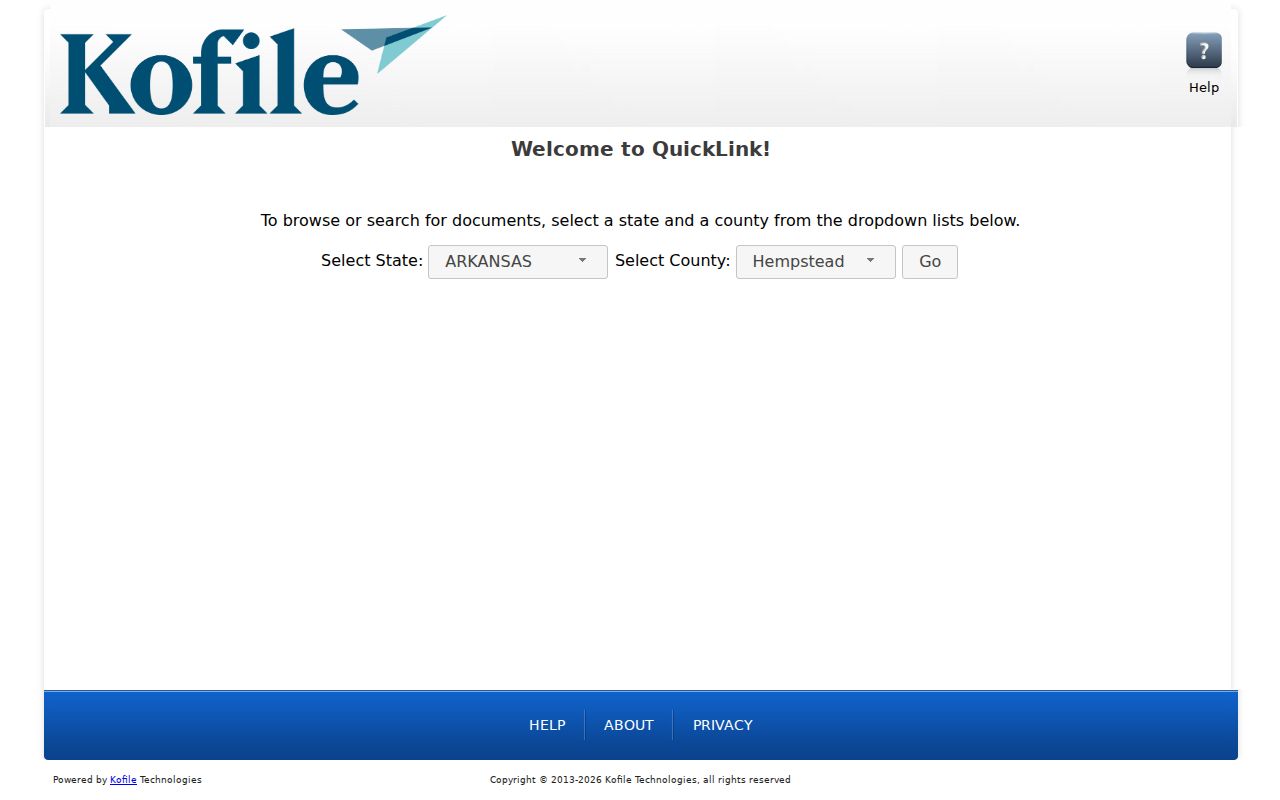
The screen is only an entry point. When a name or image is unclear, the Clerk's courthouse counter and public terminal remain the fallback. The office is at 325 E. Washington Street, Suite 450, and the reviewed hours are 8:30 a.m. to 5 p.m. on weekdays.
Online depth is uneven by record group. Historical digitization plans targeted deed images for 1985-1991 and reverse imaging for selected older deed books. That work explains why a missing web image does not prove the instrument was lost.
Athens Previous Residents by Year
Ownership and occupancy should be logged on two lines. A directory may place a listed adult at the address in its publication year. The census describes a household on the enumeration date. Neither source proves the exact day someone moved. Criss-cross means a directory section arranged by street and house number rather than by surname, but not every Athens edition includes one.
- Begin with the newest public census that fits the question, and copy the household, ages, work, and address as written.
- Open the nearest Athens directory edition. Read its abbreviation key and table of contents before using an owner, renter, spouse, or widow mark.
- Move one edition at a time. Record every spelling, spouse, job, and street-number change.
- When the entry vanishes, browse the address section for a replacement and search local newspapers, obituaries, and probate.
- Use a Sanborn index sheet or city engineering map when the number no longer matches.
The Athens city directory collections are covered separately. For a backward address trail, the key act is comparing consecutive snapshots without assuming that publication day equals move day.
An Athens Move in Print
The Heritage Room tested this method with Bell's grocery. One city directory placed the firm at 294 W. Washington, and the next verified volume placed it at 1237 Prince Avenue. Historic newspaper advertisements then narrowed the move between those editions. A later company history gave a different year.
That small conflict is useful. Directories are snapshots, ads are dated claims, and later histories can compress events. When tracing previous residents, let two independent records bracket the change. Do not turn a single appearance or absence into an exact move date.
Athens Maps Repair Address Gaps
UGA documents Athens Sanborn fire-insurance maps for 1885, 1888, 1893, 1898, 1903, 1908, 1913, 1918, and 1926, plus a 1926 set revised through 1967. These sheets identify building footprints, construction materials, uses, and nearby streets. They do not name every resident. Their value is spatial: a map can show whether an old number refers to the same structure or whether a later parcel replaced it.
Review UGA's Athens Sanborn holdings before choosing a sheet year.
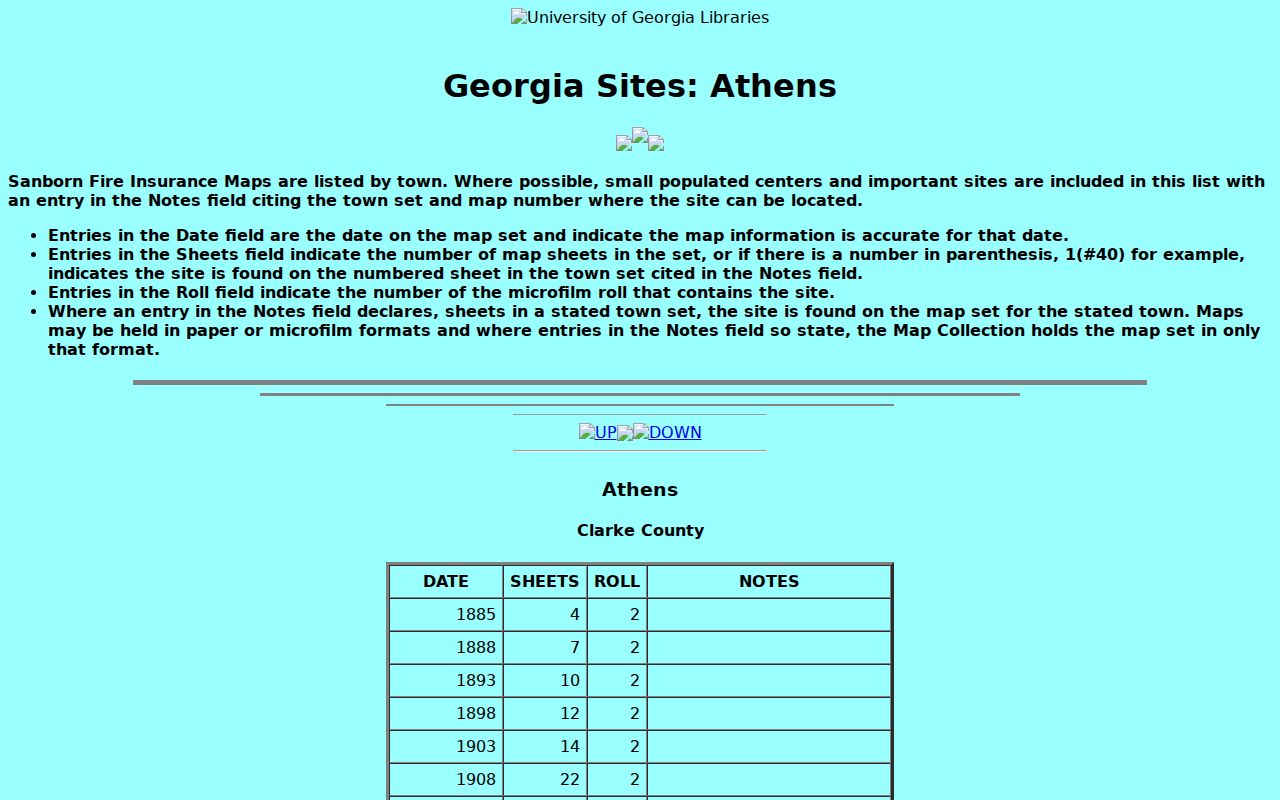
The holdings list also prevents false precision. Athens grew from four Sanborn sheets in 1885 to 44 in 1926, so coverage expanded as the city did. Rural edges and later subdivisions may require plats, deeds, permits, or other maps instead.
For harder mismatches, the Athens City records finding aid describes municipal maps, sketches, plats, specifications, and plans from 1860-1970. Those engineering records can bridge an old legal description to a modern block.
Athens Permits Date Buildings
Permits and code files can date construction or an alteration and may name an applicant or contractor. They do not identify all previous residents. No verified public start year for Athens-Clarke's permit archive was found, and no stable complete permit query was documented. Lead with the fallback: ask Building Inspections or Planning for existing records through the ACC Open Records route.
Give the exact situs address, parcel ID if known, permit or case number, and a useful date range. Ask to inspect electronic records before ordering copies. Georgia's Open Records Act requires a response within three business days, but it does not require the government to create a new address history.
Note: A year-built field, permit date, or construction drawing dates the structure or work, not the household living there.
Close Athens Resident Trails
A trail may end because a person died, moved, changed names, or transferred land through an estate. The Athens-Clarke Probate Court keeps estate files that may identify a deceased owner, administrator or executor, heirs, requested property sale, and related land. An executor's deed can then return the search to the recorded title chain.
Obituaries and historic newspapers can connect relatives, work, moves, and burial. Oconee Hill Cemetery records held at UGA span 1897-2015 in boxes and ledgers. Burial evidence shows disposition, not necessarily the last home. Death certificates are confidential under Georgia rules, though the public may order a plain-paper death record with the Social Security number removed.
Check Georgia's death-record request rules before ordering any copy.
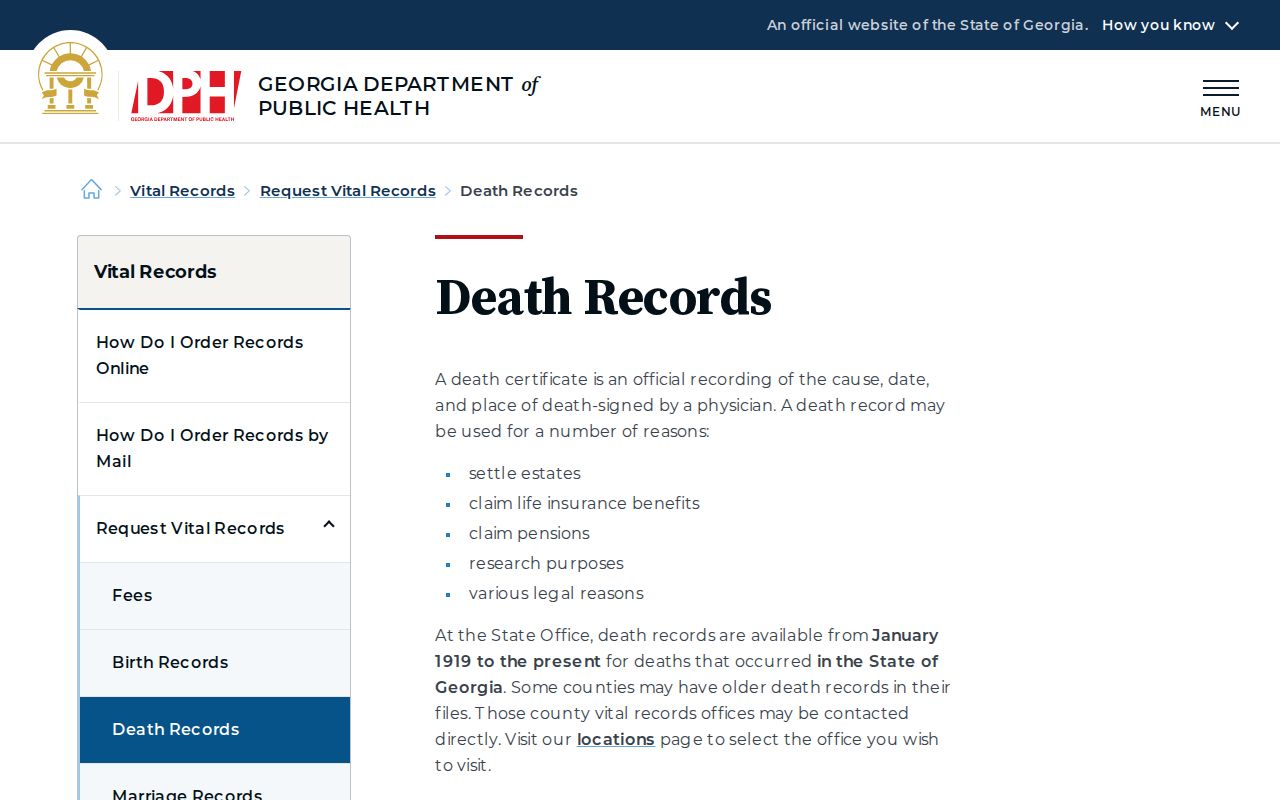
The state page distinguishes certified access from the public plain-paper option. Use it to verify eligibility, then compare any death fact with probate, obituary, deed, or cemetery evidence.
Verify Athens Past Households
A sound conclusion states what each source proves. The parcel and deed chain support ownership. A city directory supports a named listing in one edition. A census supports the household recorded on one day. Probate and obituaries may explain the end of a person's connection, while permits and maps explain the building. Previous residents should be named only when the occupancy evidence supports it.
Some people will remain absent. Directories may omit children, boarders, rural homes, unlisted people, and historically marginalized residents. Census records have release limits and local boundary issues. Address spellings and older legal conventions can also hide a match. Search surname variants and nearby chronological pages rather than forcing a weak hit into the timeline.
Lawful use. Research previous residents for Athens house history, genealogy, or estate work. Never use an address trail to watch, threaten, or harass a living person.
Keep a citation beside every name, date, and address. If two sources disagree, retain both claims and explain the difference. That practice produces a more honest house history than a smooth but unsupported story.